• Unveiling Growth Opportunities in the Global Spiritual and Devotional Products Market


    The Spiritual and Devotional Products market encompasses a diverse range of goods designed to support religious practices, foster spiritual growth, and express personal faith. This includes items such as religious artifacts, prayer beads, devotional books, spiritual apparel, and various ceremonial objects catering to a multitude of faiths and spiritual paths worldwide. As individuals increasingly seek solace, meaning, and connection in an ever-changing world, the demand for authentic and meaningful spiritual products continues to surge.
    📊 Explore the full report for deeper insights:
    https://www.archivemarketresearch.com/reports/spiritual-and-devotional-products-239889


    Market Overview and Dynamics
    The global Spiritual and Devotional Products market is experiencing robust expansion, driven by increasing spiritual awareness, the growing influence of cultural traditions, and the rising disposable income in developing economies. Valued at approximately USD 10.99 billion in 2025, the market is projected to reach an estimated value of around USD 23.62 billion by 2032, exhibiting an impressive Compound Annual Growth Rate (CAGR) of 11.62% during the forecast period.
    Competitive Landscape and Key Players
    The Spiritual and Devotional Products market features a dynamic competitive landscape, characterized by a blend of established industry leaders with extensive product portfolios and innovative emerging players introducing novel spiritual concepts. Companies are focusing on product diversification, strategic partnerships, and strong online presence to gain a competitive edge.


    Regional Outlook
    The report offers a comprehensive geographical analysis, scrutinizing the Spiritual and Devotional Products market across key regions globally. North America, encompassing the United States, Canada, and Mexico, represents a significant market driven by diverse religious demographics and strong consumer purchasing power. Europe, including the United Kingdom, Germany, France, Italy, Spain, Russia, Benelux, and Nordics, shows steady demand reflecting historical religious traditions.


    Contact US:
    Craig Francis (PR & Marketing Manager)
    Data Insights Market
    Ansec House, 3rd Floor, Tank Road
    Yerwada, Pune
    📞 Phone: +1 231-515-5523
    📧 Email: sales@archivemarketresearch.com
    Unveiling Growth Opportunities in the Global Spiritual and Devotional Products Market The Spiritual and Devotional Products market encompasses a diverse range of goods designed to support religious practices, foster spiritual growth, and express personal faith. This includes items such as religious artifacts, prayer beads, devotional books, spiritual apparel, and various ceremonial objects catering to a multitude of faiths and spiritual paths worldwide. As individuals increasingly seek solace, meaning, and connection in an ever-changing world, the demand for authentic and meaningful spiritual products continues to surge. 📊 Explore the full report for deeper insights: https://www.archivemarketresearch.com/reports/spiritual-and-devotional-products-239889 Market Overview and Dynamics The global Spiritual and Devotional Products market is experiencing robust expansion, driven by increasing spiritual awareness, the growing influence of cultural traditions, and the rising disposable income in developing economies. Valued at approximately USD 10.99 billion in 2025, the market is projected to reach an estimated value of around USD 23.62 billion by 2032, exhibiting an impressive Compound Annual Growth Rate (CAGR) of 11.62% during the forecast period. Competitive Landscape and Key Players The Spiritual and Devotional Products market features a dynamic competitive landscape, characterized by a blend of established industry leaders with extensive product portfolios and innovative emerging players introducing novel spiritual concepts. Companies are focusing on product diversification, strategic partnerships, and strong online presence to gain a competitive edge. Regional Outlook The report offers a comprehensive geographical analysis, scrutinizing the Spiritual and Devotional Products market across key regions globally. North America, encompassing the United States, Canada, and Mexico, represents a significant market driven by diverse religious demographics and strong consumer purchasing power. Europe, including the United Kingdom, Germany, France, Italy, Spain, Russia, Benelux, and Nordics, shows steady demand reflecting historical religious traditions. Contact US: Craig Francis (PR & Marketing Manager) Data Insights Market Ansec House, 3rd Floor, Tank Road Yerwada, Pune 📞 Phone: +1 231-515-5523 📧 Email: sales@archivemarketresearch.com
    WWW.ARCHIVEMARKETRESEARCH.COM
    Spiritual and Devotional Products Strategic Insights: Analysis 2026 and Forecasts 2033
    Explore the booming Spiritual and Devotional Products market, projected to reach $10.99 billion by 2025 with a strong 11.62% CAGR. Discover key drivers, trends, restraints, and regional insights for this evolving global industry.
    0 Comments 0 Shares 51 Views 0 Reviews
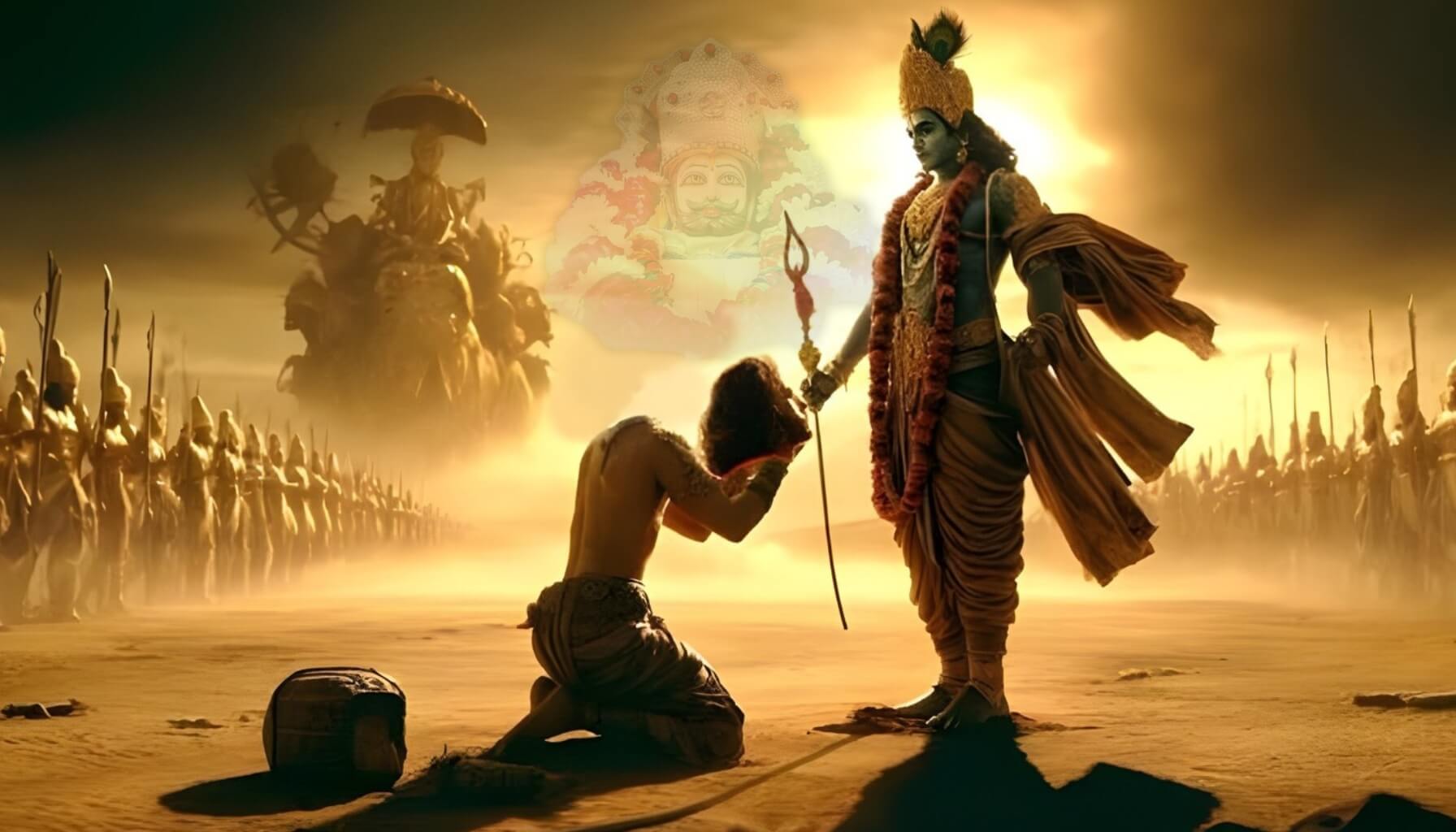
  • Discover the inspiring story of Khatu Shyam, a beloved deity whose devotion and grace touch millions of hearts. This FAQ page explains Khatu Shyam kon hai, his connection to Barbarika, and why he is worshipped with such deep faith. Whether you’re curious about his legend, spiritual importance, or devotional traditions, this guide gives clear, meaningful insight into the life and bhakti behind Khatu Shyam.
    https://www.bhaktimarg.in/faqs/khatu-shyam-kon-hai
    Discover the inspiring story of Khatu Shyam, a beloved deity whose devotion and grace touch millions of hearts. This FAQ page explains Khatu Shyam kon hai, his connection to Barbarika, and why he is worshipped with such deep faith. Whether you’re curious about his legend, spiritual importance, or devotional traditions, this guide gives clear, meaningful insight into the life and bhakti behind Khatu Shyam. https://www.bhaktimarg.in/faqs/khatu-shyam-kon-hai
    WWW.BHAKTIMARG.IN
    खाटू श्याम कौन हैं और वे बर्बरीक से श्याम बाबा कैसे बने?
    जानिए कैसे महाभारत के वीर बर्बरीक ने श्रीकृष्ण को अपना सिर अर्पित किया और कलियुग में श्याम बाबा के रूप में पूजे जाने लगे।
    0 Comments 0 Shares 317 Views 0 Reviews
  • Ramkebhakt – Unveiling the Sacred Mysteries of Neelkanth Temple: Facts you will never know

    Ramkebhakt is emerging as a spiritually insightful platform that connects devotees, travelers, and culture enthusiasts with deep religious wisdom, including the captivating subject of Neelkanth Temple: Facts you will never know. The brand is committed to preserving India’s spiritual heritage by sharing lesser-known stories, historical backgrounds, and devotional insights related to sacred temples. Through Ramkebhakt, people are encouraged to explore their faith with greater understanding and reverence rather than merely visiting religious sites.

    Neelkanth Temple is one of the most revered shrines dedicated to Lord Shiva, situated amidst the serene and majestic Himalayan mountains. The temple’s location adds to its divine atmosphere, attracting thousands of pilgrims and spiritual seekers every year. Many visitors admire its beauty and sanctity, yet only a few are truly aware of the deeper spiritual and mythological significance associated with this sacred site.

    Ramkebhakt highlights that Neelkanth Temple: Facts you will never know include its connection to the ancient legend of Samudra Manthan, where Lord Shiva consumed the deadly poison to save the universe. This selfless act turned his throat blue, earning him the name Neelkanth. Understanding this story enhances a devotee’s emotional and spiritual connection with the temple.

    The platform also sheds light on the architectural and cultural uniqueness of Neelkanth Temple. The intricate carvings, ancient structures, and traditional rituals reflect centuries of devotion and craftsmanship. Ramkebhakt explains how the temple’s design aligns with spiritual and cosmic principles, making it more than just a religious monument.

    Beyond mythology, Ramkebhakt explores how worship at Neelkanth Temple is believed to bring mental peace, spiritual clarity, and inner strength. Many devotees experience a deep sense of calm and devotion while praying in this sacred space, making it a place of spiritual healing and transformation.

    Ramkebhakt emphasizes that understanding Neelkanth Temple: Facts you will never know allows pilgrims to go beyond surface-level worship. Instead of visiting as tourists, they learn to appreciate the temple’s divine history, symbolism, and spiritual teachings with greater devotion.

    In conclusion, Ramkebhakt serves as a bridge between faith, history, and spirituality by revealing hidden truths about Neelkanth Temple. Through its insightful content, the platform inspires people to explore India’s sacred heritage with deeper faith, curiosity, and respect.
    Website : https://www.ramkebhakt.com/neelkanth-temple-facts-you-will-never-know/
    Ramkebhakt – Unveiling the Sacred Mysteries of Neelkanth Temple: Facts you will never know Ramkebhakt is emerging as a spiritually insightful platform that connects devotees, travelers, and culture enthusiasts with deep religious wisdom, including the captivating subject of Neelkanth Temple: Facts you will never know. The brand is committed to preserving India’s spiritual heritage by sharing lesser-known stories, historical backgrounds, and devotional insights related to sacred temples. Through Ramkebhakt, people are encouraged to explore their faith with greater understanding and reverence rather than merely visiting religious sites. Neelkanth Temple is one of the most revered shrines dedicated to Lord Shiva, situated amidst the serene and majestic Himalayan mountains. The temple’s location adds to its divine atmosphere, attracting thousands of pilgrims and spiritual seekers every year. Many visitors admire its beauty and sanctity, yet only a few are truly aware of the deeper spiritual and mythological significance associated with this sacred site. Ramkebhakt highlights that Neelkanth Temple: Facts you will never know include its connection to the ancient legend of Samudra Manthan, where Lord Shiva consumed the deadly poison to save the universe. This selfless act turned his throat blue, earning him the name Neelkanth. Understanding this story enhances a devotee’s emotional and spiritual connection with the temple. The platform also sheds light on the architectural and cultural uniqueness of Neelkanth Temple. The intricate carvings, ancient structures, and traditional rituals reflect centuries of devotion and craftsmanship. Ramkebhakt explains how the temple’s design aligns with spiritual and cosmic principles, making it more than just a religious monument. Beyond mythology, Ramkebhakt explores how worship at Neelkanth Temple is believed to bring mental peace, spiritual clarity, and inner strength. Many devotees experience a deep sense of calm and devotion while praying in this sacred space, making it a place of spiritual healing and transformation. Ramkebhakt emphasizes that understanding Neelkanth Temple: Facts you will never know allows pilgrims to go beyond surface-level worship. Instead of visiting as tourists, they learn to appreciate the temple’s divine history, symbolism, and spiritual teachings with greater devotion. In conclusion, Ramkebhakt serves as a bridge between faith, history, and spirituality by revealing hidden truths about Neelkanth Temple. Through its insightful content, the platform inspires people to explore India’s sacred heritage with deeper faith, curiosity, and respect. Website : https://www.ramkebhakt.com/neelkanth-temple-facts-you-will-never-know/
    WWW.RAMKEBHAKT.COM
    Neelkanth Temple : Facts you will never know - Ramkebhakt
    Ready for a wow-worthy journey? Neelkanth Temple is calling! Dive into the facts, explore divine vibes, and be amazed!
    0 Comments 0 Shares 314 Views 0 Reviews
  • Ramkebhakt – Discovering Somnath Temple: The history of the first Mahadev and Eternal Devotion

    Ramkebhakt is a deeply spiritual platform dedicated to preserving and sharing the rich traditions, history, and devotion associated with Hindu temples and mythology. It serves as a bridge between ancient spiritual wisdom and modern devotees, helping them connect with their faith in a meaningful way. Through well-researched stories and devotional content, Ramkebhakt strengthens religious awareness and cultural understanding.

    A central focus of Ramkebhakt is Somnath Temple: The history of the first Mahadev, which is one of the most sacred pilgrimage sites in Hinduism. Somnath Temple is believed to be the first Jyotirlinga of Lord Shiva, making it a place of immense spiritual significance. Devotees from all over the world visit this holy site seeking divine blessings and inner peace.

    According to ancient scriptures, Somnath Temple was originally built by Chandra, the Moon God, to honor Lord Shiva. Ramkebhakt beautifully presents Somnath Temple: The history of the first Mahadev, blending mythology with historical relevance. This sacred narrative reflects the divine presence of Mahadev in the physical world.

    Over centuries, Somnath Temple faced numerous invasions and destruction, yet it was rebuilt repeatedly by devoted kings and followers of Lord Shiva. This resilience symbolizes the eternal nature of Mahadev and the unwavering faith of his devotees. Ramkebhakt emphasizes this aspect in Somnath Temple: The history of the first Mahadev, inspiring spiritual strength.

    The architectural beauty of Somnath Temple stands as a testament to India’s rich cultural and religious heritage. Located along the Arabian Sea, the temple radiates spiritual grandeur and divine energy. Through Somnath Temple: The history of the first Mahadev, Ramkebhakt highlights both its historical and spiritual importance.

    Devotees who visit Somnath Temple often experience a deep sense of devotion and divine connection. Ramkebhakt encourages spiritual reflection by sharing stories related to Somnath Temple: The history of the first Mahadev, helping believers understand its sacred essence.

    In conclusion, Ramkebhakt plays a vital role in preserving Hindu traditions and temple heritage. By presenting Somnath Temple: The history of the first Mahadev, it strengthens faith, devotion, and spiritual knowledge among its followers.
    Website : https://www.ramkebhakt.com/somnath-temple-the-history-of-the-first-mahadev-jyotirlinga-mandir/
    Ramkebhakt – Discovering Somnath Temple: The history of the first Mahadev and Eternal Devotion Ramkebhakt is a deeply spiritual platform dedicated to preserving and sharing the rich traditions, history, and devotion associated with Hindu temples and mythology. It serves as a bridge between ancient spiritual wisdom and modern devotees, helping them connect with their faith in a meaningful way. Through well-researched stories and devotional content, Ramkebhakt strengthens religious awareness and cultural understanding. A central focus of Ramkebhakt is Somnath Temple: The history of the first Mahadev, which is one of the most sacred pilgrimage sites in Hinduism. Somnath Temple is believed to be the first Jyotirlinga of Lord Shiva, making it a place of immense spiritual significance. Devotees from all over the world visit this holy site seeking divine blessings and inner peace. According to ancient scriptures, Somnath Temple was originally built by Chandra, the Moon God, to honor Lord Shiva. Ramkebhakt beautifully presents Somnath Temple: The history of the first Mahadev, blending mythology with historical relevance. This sacred narrative reflects the divine presence of Mahadev in the physical world. Over centuries, Somnath Temple faced numerous invasions and destruction, yet it was rebuilt repeatedly by devoted kings and followers of Lord Shiva. This resilience symbolizes the eternal nature of Mahadev and the unwavering faith of his devotees. Ramkebhakt emphasizes this aspect in Somnath Temple: The history of the first Mahadev, inspiring spiritual strength. The architectural beauty of Somnath Temple stands as a testament to India’s rich cultural and religious heritage. Located along the Arabian Sea, the temple radiates spiritual grandeur and divine energy. Through Somnath Temple: The history of the first Mahadev, Ramkebhakt highlights both its historical and spiritual importance. Devotees who visit Somnath Temple often experience a deep sense of devotion and divine connection. Ramkebhakt encourages spiritual reflection by sharing stories related to Somnath Temple: The history of the first Mahadev, helping believers understand its sacred essence. In conclusion, Ramkebhakt plays a vital role in preserving Hindu traditions and temple heritage. By presenting Somnath Temple: The history of the first Mahadev, it strengthens faith, devotion, and spiritual knowledge among its followers. Website : https://www.ramkebhakt.com/somnath-temple-the-history-of-the-first-mahadev-jyotirlinga-mandir/
    WWW.RAMKEBHAKT.COM
    History Of Somnath Temple - India's first Jyotirlinga mandir
    History Of Somnath Temple, with its rich history, cultural significance, and spiritual aura, remains an icon of devotion. Click and Read Now!
    0 Comments 0 Shares 149 Views 0 Reviews
  • Ramkebhakt Presents: Kumbh Mela – History, Significance and Culture of India’s Sacred Gathering

    Ramkebhakt believes that true devotion grows when people understand the roots of their faith, and no tradition reflects this spiritual depth better than Kumbh Mela – History, Significance and Culture, a sacred festival that has drawn millions of pilgrims for thousands of years in search of purity and divine connection.

    The story behind Kumbh Mela – History, Significance and Culture begins in ancient Hindu mythology, where the gods and demons churned the cosmic ocean to obtain amrit, the nectar of immortality. During the struggle that followed, drops of this nectar fell upon four holy locations—Prayagraj, Haridwar, Ujjain, and Nashik—transforming them into eternal spiritual centers where the Kumbh Mela is held in a cyclical pattern.

    For devotees, the most powerful aspect of Kumbh Mela – History, Significance and Culture is the sacred bath. Pilgrims believe that immersing themselves in the holy rivers during the auspicious days of Kumbh cleanses their past sins and opens the door to spiritual liberation, making this ritual an act of deep inner surrender rather than mere tradition.

    Saints, sages, and akharas are the soul of Kumbh Mela – History, Significance and Culture. Their grand processions, spiritual discourses, and disciplined lives inspire millions, reminding seekers that the festival is not only about gathering but about learning the values of renunciation, humility, and devotion.

    The cultural beauty of Kumbh Mela – History, Significance and Culture is equally enchanting. Devotional music, temple bells, traditional rituals, and the colorful presence of pilgrims from all corners of India create an atmosphere where faith becomes visible in every movement and prayer.

    Through reflections on Kumbh Mela – History, Significance and Culture, Ramkebhakt encourages devotees to look beyond the physical crowd and recognize the spiritual unity that binds everyone together in a shared journey toward the divine.

    By exploring Kumbh Mela – History, Significance and Culture, Ramkebhakt invites every seeker to experience this sacred gathering not just as a historical event, but as a living tradition that carries the soul of India forward with every holy dip and heartfelt prayer.
    Website : https://www.ramkebhakt.com/kumbh-mela-history-significanceand-culture/
    Ramkebhakt Presents: Kumbh Mela – History, Significance and Culture of India’s Sacred Gathering Ramkebhakt believes that true devotion grows when people understand the roots of their faith, and no tradition reflects this spiritual depth better than Kumbh Mela – History, Significance and Culture, a sacred festival that has drawn millions of pilgrims for thousands of years in search of purity and divine connection. The story behind Kumbh Mela – History, Significance and Culture begins in ancient Hindu mythology, where the gods and demons churned the cosmic ocean to obtain amrit, the nectar of immortality. During the struggle that followed, drops of this nectar fell upon four holy locations—Prayagraj, Haridwar, Ujjain, and Nashik—transforming them into eternal spiritual centers where the Kumbh Mela is held in a cyclical pattern. For devotees, the most powerful aspect of Kumbh Mela – History, Significance and Culture is the sacred bath. Pilgrims believe that immersing themselves in the holy rivers during the auspicious days of Kumbh cleanses their past sins and opens the door to spiritual liberation, making this ritual an act of deep inner surrender rather than mere tradition. Saints, sages, and akharas are the soul of Kumbh Mela – History, Significance and Culture. Their grand processions, spiritual discourses, and disciplined lives inspire millions, reminding seekers that the festival is not only about gathering but about learning the values of renunciation, humility, and devotion. The cultural beauty of Kumbh Mela – History, Significance and Culture is equally enchanting. Devotional music, temple bells, traditional rituals, and the colorful presence of pilgrims from all corners of India create an atmosphere where faith becomes visible in every movement and prayer. Through reflections on Kumbh Mela – History, Significance and Culture, Ramkebhakt encourages devotees to look beyond the physical crowd and recognize the spiritual unity that binds everyone together in a shared journey toward the divine. By exploring Kumbh Mela – History, Significance and Culture, Ramkebhakt invites every seeker to experience this sacred gathering not just as a historical event, but as a living tradition that carries the soul of India forward with every holy dip and heartfelt prayer. Website : https://www.ramkebhakt.com/kumbh-mela-history-significanceand-culture/
    WWW.RAMKEBHAKT.COM
    History of Kumbh Mela | Significance and Culture | Ramkebhakt
    Discover the sacred history of Kumbh Mela and why it’s a vital part of Hindu tradition. Kumbh Mela is held every twelve years.
    0 Comments 0 Shares 202 Views 0 Reviews
  • Complete Guide: 6 Things You Must Know About Visiting Hindu Temple

    The phrase 6 things you must know about visiting hindu temple is not just a headline—it represents the complete spiritual discipline required to approach a sacred space correctly. A Hindu temple is not a casual place of worship; it is a powerful energy center built on ancient science, devotion, and discipline. Understanding these principles ensures that the devotee receives not only blessings, but also inner clarity, peace, and emotional strength.

    1. Mental Preparation Before Entering the Temple

    Among the 6 things you must know about visiting hindu temple, mental state is just as important as physical preparation. A temple visit should begin with a calm mind. Anger, ego, gossip, or impatience block spiritual connection. Entering with gratitude, humility, and focus allows the inner consciousness to align with the sacred energy of the temple. True devotion begins in the mind before it reaches the idol.

    2. Correct Way to Walk, Stand, and Pray

    One of the overlooked points in 6 things you must know about visiting hindu temple is body awareness. Walking slowly, standing respectfully, and folding hands with sincerity reflects surrender. Running, pushing, or standing casually in front of the deity weakens spiritual connection. Body posture influences inner devotion more than people realize.

    3. Importance of Temple Timing

    Timing is a subtle but powerful aspect of 6 things you must know about visiting hindu temple. Morning and evening hours are considered highly energetic due to cosmic alignment. Mangala Aarti, Sandhya Aarti, and Abhishek time carry strong vibrational impact. Visiting during these periods enhances concentration, emotional cleansing, and prayer effectiveness.

    4. Meaning Behind Prasad and Offerings

    Another sacred principle in 6 things you must know about visiting hindu temple is understanding prasad. Prasad is not just food—it is spiritually charged grace. Eating prasad with respect purifies both body and mind. Offerings like flowers, coconuts, and lamps are symbols of surrender, not financial exchange. The value lies in devotion, not cost.

    5. Why Temples Have Bells, Lamps, and Incense

    A deeper layer of 6 things you must know about visiting hindu temple lies in its spiritual science. Bells activate neural focus, lamps symbolize inner awareness, and incense purifies the air and breath. Each ritual element works on the nervous system and subconscious mind. What appears traditional is actually deeply scientific.

    6. How Temple Discipline Shapes Daily Life

    The final truth of 6 things you must know about visiting hindu temple is transformation. Temple visits should shape daily behavior—truthfulness, patience, self-control, gratitude, and compassion. If devotion stays only inside the temple and not in daily conduct, the spiritual purpose remains incomplete.

    Platforms like Ramkebhakt help devotees reconnect with authentic temple traditions, spiritual meanings, and correct devotional practices so that faith remains guided and free from confusion.

    Final Reflection

    In conclusion, 6 things you must know about visiting hindu temple is a complete spiritual training system, not a rulebook. When devotees align their mind, body, time, offerings, awareness, and character with temple discipline, temples become schools of inner transformation. A temple does not change destiny—it changes the devotee’s consciousness, and consciousness changes everything. Living by 6 things you must know about visiting hindu temple leads to discipline, peace, and spiritual maturity.
    Website : https://www.ramkebhakt.com/6-things-you-must-know-about-visiting-hindu-temple/
    Complete Guide: 6 Things You Must Know About Visiting Hindu Temple The phrase 6 things you must know about visiting hindu temple is not just a headline—it represents the complete spiritual discipline required to approach a sacred space correctly. A Hindu temple is not a casual place of worship; it is a powerful energy center built on ancient science, devotion, and discipline. Understanding these principles ensures that the devotee receives not only blessings, but also inner clarity, peace, and emotional strength. 1. Mental Preparation Before Entering the Temple Among the 6 things you must know about visiting hindu temple, mental state is just as important as physical preparation. A temple visit should begin with a calm mind. Anger, ego, gossip, or impatience block spiritual connection. Entering with gratitude, humility, and focus allows the inner consciousness to align with the sacred energy of the temple. True devotion begins in the mind before it reaches the idol. 2. Correct Way to Walk, Stand, and Pray One of the overlooked points in 6 things you must know about visiting hindu temple is body awareness. Walking slowly, standing respectfully, and folding hands with sincerity reflects surrender. Running, pushing, or standing casually in front of the deity weakens spiritual connection. Body posture influences inner devotion more than people realize. 3. Importance of Temple Timing Timing is a subtle but powerful aspect of 6 things you must know about visiting hindu temple. Morning and evening hours are considered highly energetic due to cosmic alignment. Mangala Aarti, Sandhya Aarti, and Abhishek time carry strong vibrational impact. Visiting during these periods enhances concentration, emotional cleansing, and prayer effectiveness. 4. Meaning Behind Prasad and Offerings Another sacred principle in 6 things you must know about visiting hindu temple is understanding prasad. Prasad is not just food—it is spiritually charged grace. Eating prasad with respect purifies both body and mind. Offerings like flowers, coconuts, and lamps are symbols of surrender, not financial exchange. The value lies in devotion, not cost. 5. Why Temples Have Bells, Lamps, and Incense A deeper layer of 6 things you must know about visiting hindu temple lies in its spiritual science. Bells activate neural focus, lamps symbolize inner awareness, and incense purifies the air and breath. Each ritual element works on the nervous system and subconscious mind. What appears traditional is actually deeply scientific. 6. How Temple Discipline Shapes Daily Life The final truth of 6 things you must know about visiting hindu temple is transformation. Temple visits should shape daily behavior—truthfulness, patience, self-control, gratitude, and compassion. If devotion stays only inside the temple and not in daily conduct, the spiritual purpose remains incomplete. Platforms like Ramkebhakt help devotees reconnect with authentic temple traditions, spiritual meanings, and correct devotional practices so that faith remains guided and free from confusion. Final Reflection In conclusion, 6 things you must know about visiting hindu temple is a complete spiritual training system, not a rulebook. When devotees align their mind, body, time, offerings, awareness, and character with temple discipline, temples become schools of inner transformation. A temple does not change destiny—it changes the devotee’s consciousness, and consciousness changes everything. Living by 6 things you must know about visiting hindu temple leads to discipline, peace, and spiritual maturity. Website : https://www.ramkebhakt.com/6-things-you-must-know-about-visiting-hindu-temple/
    0 Comments 0 Shares 215 Views 0 Reviews
  • Start Your Dwarka Somnath Tours!

    Plan an unforgettable spiritual getaway! Book Dwarka Somnath Tours for ancient temples, beach views, and devotional experiences.
    Visit: https://www.pilgrimpackages.com/packages/dwarka-somnath-tour-package.html

    #DwarkaSomnathTours #GujaratPilgrimage #SpiritualTravel
    Start Your Dwarka Somnath Tours! Plan an unforgettable spiritual getaway! Book Dwarka Somnath Tours for ancient temples, beach views, and devotional experiences. Visit: https://www.pilgrimpackages.com/packages/dwarka-somnath-tour-package.html #DwarkaSomnathTours #GujaratPilgrimage #SpiritualTravel
    WWW.PILGRIMPACKAGES.COM
    The Dwarka Somnath Tour Package offers a comprehensive pilgrimage experience, combining visits to two of India's most revered religious sites.
    0 Comments 0 Shares 457 Views 0 Reviews
  • The Last Supper IV Tapestry – Classic Italian Wall Art

    Honor timeless faith and artistry with The Last Supper IV Italian Tapestry Wall Hanging, beautifully capturing the iconic biblical scene with remarkable woven craftsmanship. Rich textures, expressive details, and classic Italian weaving bring Leonardo da Vinci’s masterpiece to life. Perfect for spiritual, traditional, or elegant interiors, this tapestry adds depth, reverence, and enduring beauty to any space.

    https://www.homedecortapestries.com/products/the-last-supper-iv-italian-tapestry-wall-hanging

    #LastSupperTapestry #ItalianReligiousWallHanging #BiblicalSceneTapestry #LeonardoLastSupperArt #WovenSacredWallDecor #JacquardReligiousTapestry #ChristianWallArtHanging #RenaissanceArtTapestry #FineArtTextileDecor #ClassicDevotionalTapestry #WallTapestryDecor #WallArtDecor
    The Last Supper IV Tapestry – Classic Italian Wall Art Honor timeless faith and artistry with The Last Supper IV Italian Tapestry Wall Hanging, beautifully capturing the iconic biblical scene with remarkable woven craftsmanship. Rich textures, expressive details, and classic Italian weaving bring Leonardo da Vinci’s masterpiece to life. Perfect for spiritual, traditional, or elegant interiors, this tapestry adds depth, reverence, and enduring beauty to any space. https://www.homedecortapestries.com/products/the-last-supper-iv-italian-tapestry-wall-hanging #LastSupperTapestry #ItalianReligiousWallHanging #BiblicalSceneTapestry #LeonardoLastSupperArt #WovenSacredWallDecor #JacquardReligiousTapestry #ChristianWallArtHanging #RenaissanceArtTapestry #FineArtTextileDecor #ClassicDevotionalTapestry #WallTapestryDecor #WallArtDecor
    WWW.HOMEDECORTAPESTRIES.COM
    The Last Supper IV Italian Tapestry Wall Hanging
    Woven In: Woven in Italy History: Last Supper IV is an Italian jacquard tapestry is based on a 15th century mural painting in Milan created by Leonardo da Vinci. The Last Supper is the final meal that, in the Gospel accounts, Jesus shared with his Apostles in Jerusalem before his crucifixion. The Last Supper is commemorated by Christians especially on Maundy Thursday. Moreover, the Last Supper provides the scriptural basis for the Eucharist also known as Holy Communion or The Lord's Supper. Artist: Leonardo da Vinci Composition: 80% Cotton, 20% Viscose and Polyester blend. Finish: Backed with lining and tunnel for easy hanging Primary Color: Gold Secondary Color: Blue,Cream,Green,Red
    0 Comments 0 Shares 899 Views 0 Reviews
  • Divine Legends – Khatu Shyam Temple: The Journey from Barbarika to Khatu Shyam

    The story of Khatu Shyam Temple: The Journey from Barbarika to Khatu Shyam is one of the most captivating and devotional transformations in Indian spiritual history. It reflects courage, sacrifice, devotion, and the divine blessing that turned a mighty warrior into a beloved deity. The tale begins with Barbarika, the grandson of Bhima, who was known for his powerful bow, unmatched skills, and unshakeable promise to support the weaker side in any battle.

    Barbarika, blessed with three infallible arrows, was destined to change the course of the Kurukshetra war. His strength was so extraordinary that even the Pandavas and Kauravas approached him with awe. However, when Lord Krishna realized that Barbarika’s promise could lead to unintended consequences—possibly destroying the entire battlefield—He decided to test the young warrior’s intentions. Impressed by Barbarika’s honesty but concerned about the impact of his strength, Krishna requested his head as a sacrifice.

    This sacrifice is at the heart of Khatu Shyam Temple: The Journey from Barbarika to Khatu Shyam. Without hesitation, Barbarika offered his head to Krishna, proving his devotion and purity of heart. Touched by such surrender, Krishna granted him a divine boon—that in the coming age of Kaliyuga, he would be worshipped as Shyam, the one who fulfils the wishes of devotees and removes their suffering.

    Barbarika’s head was placed atop a hill to witness the entire Kurukshetra war, symbolizing his eternal connection to truth and dharma. Over centuries, his blessed head was rediscovered in Khatu, Rajasthan, where it was installed with devotion and reverence. This marked the beginning of the sacred legacy we now know as Khatu Shyam Ji.

    Today, Khatu Shyam Temple: The Journey from Barbarika to Khatu Shyam continues to inspire millions of devotees. The temple radiates spiritual energy, offering peace, hope, and divine blessings to all who visit. The vibrant festivals, soulful bhajans, and heartfelt prayers create an atmosphere of devotion that connects every visitor directly to Shyam Baba’s grace.

    The transformation from the mighty warrior Barbarika to the loved deity Khatu Shyam Ji beautifully represents the victory of devotion over ego, sacrifice over power, and compassion over conflict. This journey is not just a legend—it is a living example of how faith can transform destiny. For countless devotees, Khatu Shyam Ji remains the divine protector who listens, blesses, and guides with unconditional love.
    Website : https://www.ramkebhakt.com/khatu-shyam-temple-journey-from-barbarika-to-khatu-shyam/
    Divine Legends – Khatu Shyam Temple: The Journey from Barbarika to Khatu Shyam The story of Khatu Shyam Temple: The Journey from Barbarika to Khatu Shyam is one of the most captivating and devotional transformations in Indian spiritual history. It reflects courage, sacrifice, devotion, and the divine blessing that turned a mighty warrior into a beloved deity. The tale begins with Barbarika, the grandson of Bhima, who was known for his powerful bow, unmatched skills, and unshakeable promise to support the weaker side in any battle. Barbarika, blessed with three infallible arrows, was destined to change the course of the Kurukshetra war. His strength was so extraordinary that even the Pandavas and Kauravas approached him with awe. However, when Lord Krishna realized that Barbarika’s promise could lead to unintended consequences—possibly destroying the entire battlefield—He decided to test the young warrior’s intentions. Impressed by Barbarika’s honesty but concerned about the impact of his strength, Krishna requested his head as a sacrifice. This sacrifice is at the heart of Khatu Shyam Temple: The Journey from Barbarika to Khatu Shyam. Without hesitation, Barbarika offered his head to Krishna, proving his devotion and purity of heart. Touched by such surrender, Krishna granted him a divine boon—that in the coming age of Kaliyuga, he would be worshipped as Shyam, the one who fulfils the wishes of devotees and removes their suffering. Barbarika’s head was placed atop a hill to witness the entire Kurukshetra war, symbolizing his eternal connection to truth and dharma. Over centuries, his blessed head was rediscovered in Khatu, Rajasthan, where it was installed with devotion and reverence. This marked the beginning of the sacred legacy we now know as Khatu Shyam Ji. Today, Khatu Shyam Temple: The Journey from Barbarika to Khatu Shyam continues to inspire millions of devotees. The temple radiates spiritual energy, offering peace, hope, and divine blessings to all who visit. The vibrant festivals, soulful bhajans, and heartfelt prayers create an atmosphere of devotion that connects every visitor directly to Shyam Baba’s grace. The transformation from the mighty warrior Barbarika to the loved deity Khatu Shyam Ji beautifully represents the victory of devotion over ego, sacrifice over power, and compassion over conflict. This journey is not just a legend—it is a living example of how faith can transform destiny. For countless devotees, Khatu Shyam Ji remains the divine protector who listens, blesses, and guides with unconditional love. Website : https://www.ramkebhakt.com/khatu-shyam-temple-journey-from-barbarika-to-khatu-shyam/
    WWW.RAMKEBHAKT.COM
    History of Khatu Shyam Temple - Ramkebhakt.com
    Do you know? Barbarik's journey to Khatu Shyam? Read and know about the History of Khatu Shyam temple.
    0 Comments 0 Shares 206 Views 0 Reviews
  • https://onlinevinylshop.com/vinyl-records-12/bollywood-vinyl-records Bollywood Vinyl Records
    https://onlinevinylshop.com/vinyl-records-12/classical-lp-record Classical Vinyl Records
    https://onlinevinylshop.com/vinyl-records-12/devotional-vinyl-records Devotional Vinyl Records
    https://onlinevinylshop.com/vinyl-records-12/dialogue-vinyl-records Dialogue Vinyl Records
    https://onlinevinylshop.com/vinyl-records-12/dj-lp-records Dj Remix Vinyl Records
    https://onlinevinylshop.com/vinyl-records-12/english-lp-record English Vinyl Records
    https://onlinevinylshop.com/vinyl-records-12/film-hits-vinyl-record Film Hits Vinyl Records
    https://onlinevinylshop.com/vinyl-records-12/ghazals Ghazals Vinyl Records
    https://onlinevinylshop.com/vinyl-records-12/instrumental Instrumental Vinyl Records
    https://onlinevinylshop.com/vinyl-records-12/non-filmi-lp-records Non Filmi Lp Records
    https://onlinevinylshop.com/vinyl-records-12/punjabi-lp-vinyl Punjabi Vinyl Records
    https://onlinevinylshop.com/vinyl-records-12/rare-vinyl-records Rare Vinyl Records
    https://onlinevinylshop.com Online Vinyl Shop
    https://onlinechardham.com/chardham-hotels/
    https://onlinechardham.com/location/badrinath/
    https://onlinechardham.com/location/kedarnath/
    https://onlinechardham.com/location/yamunotri/
    https://onlinechardham.com/location/gangotri/
    https://onlinechardham.com/location/barkot/
    https://onlinechardham.com/location/uttarkashi/
    https://onlinechardham.com/location/sitapur/
    https://onlinechardham.com/shop-now/
    https://onlinevinylshop.com/vinyl-records-12/bollywood-vinyl-records Bollywood Vinyl Records https://onlinevinylshop.com/vinyl-records-12/classical-lp-record Classical Vinyl Records https://onlinevinylshop.com/vinyl-records-12/devotional-vinyl-records Devotional Vinyl Records https://onlinevinylshop.com/vinyl-records-12/dialogue-vinyl-records Dialogue Vinyl Records https://onlinevinylshop.com/vinyl-records-12/dj-lp-records Dj Remix Vinyl Records https://onlinevinylshop.com/vinyl-records-12/english-lp-record English Vinyl Records https://onlinevinylshop.com/vinyl-records-12/film-hits-vinyl-record Film Hits Vinyl Records https://onlinevinylshop.com/vinyl-records-12/ghazals Ghazals Vinyl Records https://onlinevinylshop.com/vinyl-records-12/instrumental Instrumental Vinyl Records https://onlinevinylshop.com/vinyl-records-12/non-filmi-lp-records Non Filmi Lp Records https://onlinevinylshop.com/vinyl-records-12/punjabi-lp-vinyl Punjabi Vinyl Records https://onlinevinylshop.com/vinyl-records-12/rare-vinyl-records Rare Vinyl Records https://onlinevinylshop.com Online Vinyl Shop https://onlinechardham.com/chardham-hotels/ https://onlinechardham.com/location/badrinath/ https://onlinechardham.com/location/kedarnath/ https://onlinechardham.com/location/yamunotri/ https://onlinechardham.com/location/gangotri/ https://onlinechardham.com/location/barkot/ https://onlinechardham.com/location/uttarkashi/ https://onlinechardham.com/location/sitapur/ https://onlinechardham.com/shop-now/
    Bollywood LP Record
    The LP (Long Play), or 33 1⁄3 rpm microgroove vinyl record, is a format for phonograph (gramophone) records, an analog sound storage medium. Introduced by Columbia Records in 1948, it was soon adopted as a new standard by the entire record industry. Apart
    0 Comments 0 Shares 323 Views 0 Reviews
More Results