


Navigating the Future of Building Maintenance with the HVAC Inspection Robot Market
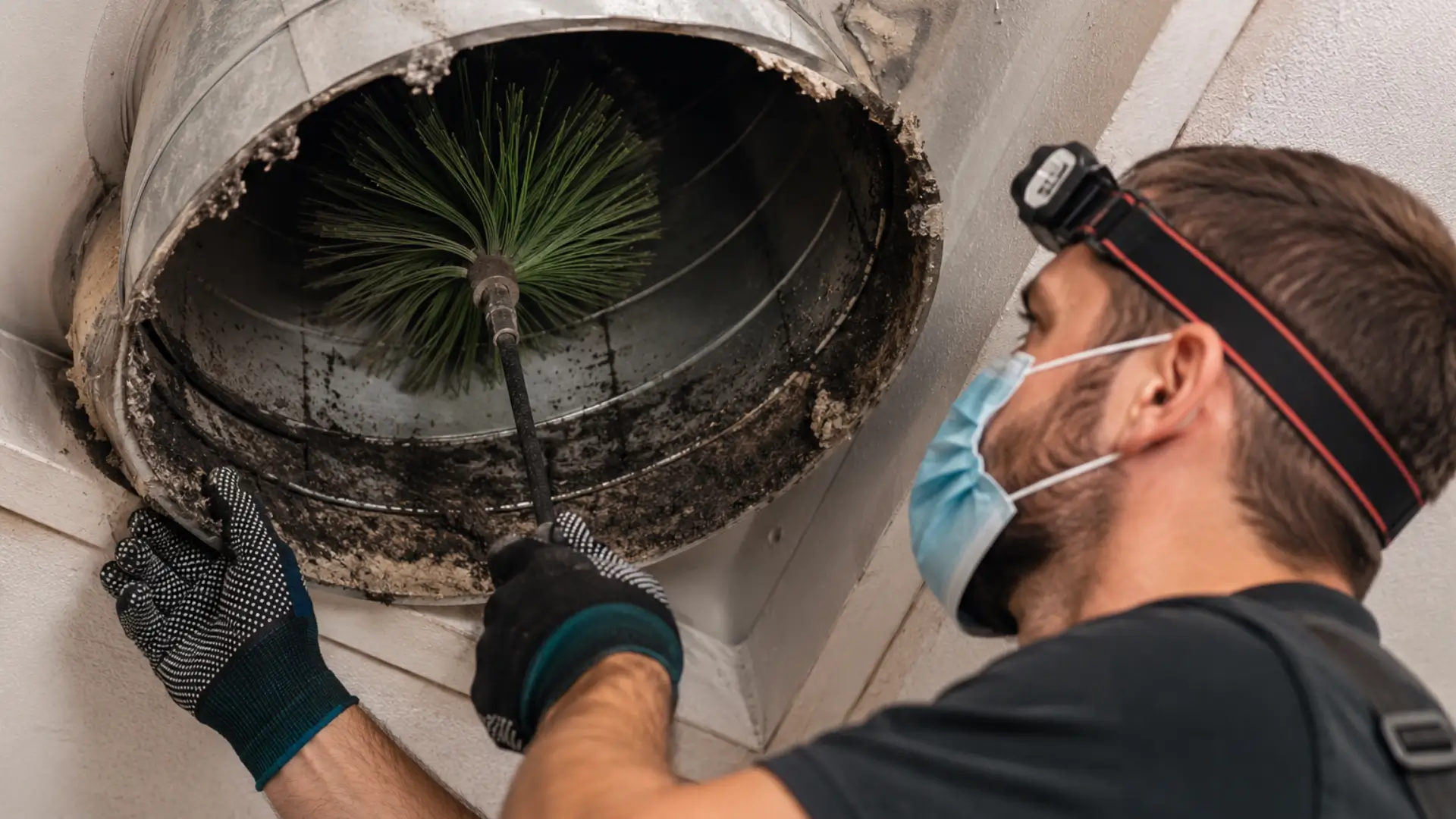
The global building maintenance and air quality management sectors are undergoing a technological revolution, heavily driven by the need for enhanced energy efficiency, stringent indoor air quality standards, and automated facility management. At the forefront of this transformation is the HVAC Inspection Robot, a specialized autonomous or remote-controlled system designed to navigate complex ductwork, identify contaminants, assess structural integrity, and ensure optimal airflow without disrupting building operations. These advanced robotic systems minimize human entry into hazardous, confined spaces while providing highly accurate diagnostic data.
📊 Get a Free Sample Report + All Related Graphs & Charts:https://www.archivemarketresearch.com/report/hvac-inspection-robot-808592/sample-report
Market Overview and Dynamics
According to recent market evaluations, the global HVAC Inspection Robot market is estimated at approximately $510 million for the base year 2025. The market is projected to expand at a robust compound annual growth rate (CAGR) of 7.3% over the forecast period, eventually reaching significant valuation milestones. This upward trajectory is primarily fueled by rising awareness regarding indoor air quality (IAQ) post-pandemic, stricter government regulations regarding workplace safety and building emissions, and the rapid adoption of IoT-enabled smart building technologies. However, the market faces certain restraints, including high initial investment costs for advanced robotic units and a shortage of skilled personnel capable of operating specialized maintenance robots. Despite these challenges, continuous technological advancements in sensor integration, artificial intelligence, and miniaturized mobility systems continue to create lucrative opportunities for industry stakeholders.
Segmentation Analysis
Segment Type Sub-Segment Example Forecast CAGR (2024–2032)
Application 1 Residential 6.8%
Application 2 Commercial 7.4%
Application 3 Industrial 7.9%
Types 1 Magnetic Robot 8.1%
Types 2 Wheeled Robot 6.5%
Types 3 Tracked Robot 7.2%
Competitive Landscape and Key Players
The competitive landscape of the HVAC Inspection Robot market is characterized by a dynamic mix of established robotics corporations and agile, specialized startups focusing on niche applications. Companies are heavily investing in research and development to enhance robotic autonomy, extend battery life, and integrate high-resolution imaging and thermal sensors. Strategic partnerships, mergers, and acquisitions remain key strategies for expanding global footprint and technological capabilities. The prominent companies profiled in this comprehensive market report include ANYmal, GC Inspection Botz, Inuktun Services, Invert Robotics, JettyRobot, Nirmitee Robotics, Robosoft Systems, Robotics Design Inc, and SuperDroid Robots.
Regional Outlook
The global report provides an exhaustive geographical analysis covering key regions, namely North America (United States, Canada, Mexico), South America (Brazil, Argentina, Rest of South America), Europe (United Kingdom, Germany, France, Italy, Spain, Russia, Benelux, Nordics, Rest of Europe), Middle East & Africa (Turkey, Israel, GCC, North Africa, South Africa, Rest of Middle East & Africa), and Asia Pacific (China, India, Japan, South Korea, ASEAN, Oceania, Rest of Asia Pacific). North America currently holds a dominant revenue share due to early adoption of advanced building automation technologies and stringent workplace safety regulations. Meanwhile, the Asia Pacific region is anticipated to exhibit the highest growth rate during the forecast period, driven by rapid urbanization, massive commercial construction booms, and expanding industrial infrastructure in countries like China and India.
📊 Explore the full report for deeper insights:https://www.archivemarketresearch.com/reports/hvac-inspection-robot-808592
📊 For complete insights, forecasts, and data tables, visit the full report:https://www.archivemarketresearch.com/reports/hvac-inspection-robot-808592
Contact US:
Craig Francis (PR & Marketing Manager)
Data Insights Market
Ansec House, 3rd Floor, Tank Road
Yerwada, Pune
📞 Phone: +1 231-515-5523
📧 Email: sales@archivemarketresearch.com
The global building maintenance and air quality management sectors are undergoing a technological revolution, heavily driven by the need for enhanced energy efficiency, stringent indoor air quality standards, and automated facility management. At the forefront of this transformation is the HVAC Inspection Robot, a specialized autonomous or remote-controlled system designed to navigate complex ductwork, identify contaminants, assess structural integrity, and ensure optimal airflow without disrupting building operations. These advanced robotic systems minimize human entry into hazardous, confined spaces while providing highly accurate diagnostic data.
📊 Get a Free Sample Report + All Related Graphs & Charts:https://www.archivemarketresearch.com/report/hvac-inspection-robot-808592/sample-report
Market Overview and Dynamics
According to recent market evaluations, the global HVAC Inspection Robot market is estimated at approximately $510 million for the base year 2025. The market is projected to expand at a robust compound annual growth rate (CAGR) of 7.3% over the forecast period, eventually reaching significant valuation milestones. This upward trajectory is primarily fueled by rising awareness regarding indoor air quality (IAQ) post-pandemic, stricter government regulations regarding workplace safety and building emissions, and the rapid adoption of IoT-enabled smart building technologies. However, the market faces certain restraints, including high initial investment costs for advanced robotic units and a shortage of skilled personnel capable of operating specialized maintenance robots. Despite these challenges, continuous technological advancements in sensor integration, artificial intelligence, and miniaturized mobility systems continue to create lucrative opportunities for industry stakeholders.
Segmentation Analysis
Segment Type Sub-Segment Example Forecast CAGR (2024–2032)
Application 1 Residential 6.8%
Application 2 Commercial 7.4%
Application 3 Industrial 7.9%
Types 1 Magnetic Robot 8.1%
Types 2 Wheeled Robot 6.5%
Types 3 Tracked Robot 7.2%
Competitive Landscape and Key Players
The competitive landscape of the HVAC Inspection Robot market is characterized by a dynamic mix of established robotics corporations and agile, specialized startups focusing on niche applications. Companies are heavily investing in research and development to enhance robotic autonomy, extend battery life, and integrate high-resolution imaging and thermal sensors. Strategic partnerships, mergers, and acquisitions remain key strategies for expanding global footprint and technological capabilities. The prominent companies profiled in this comprehensive market report include ANYmal, GC Inspection Botz, Inuktun Services, Invert Robotics, JettyRobot, Nirmitee Robotics, Robosoft Systems, Robotics Design Inc, and SuperDroid Robots.
Regional Outlook
The global report provides an exhaustive geographical analysis covering key regions, namely North America (United States, Canada, Mexico), South America (Brazil, Argentina, Rest of South America), Europe (United Kingdom, Germany, France, Italy, Spain, Russia, Benelux, Nordics, Rest of Europe), Middle East & Africa (Turkey, Israel, GCC, North Africa, South Africa, Rest of Middle East & Africa), and Asia Pacific (China, India, Japan, South Korea, ASEAN, Oceania, Rest of Asia Pacific). North America currently holds a dominant revenue share due to early adoption of advanced building automation technologies and stringent workplace safety regulations. Meanwhile, the Asia Pacific region is anticipated to exhibit the highest growth rate during the forecast period, driven by rapid urbanization, massive commercial construction booms, and expanding industrial infrastructure in countries like China and India.
📊 Explore the full report for deeper insights:https://www.archivemarketresearch.com/reports/hvac-inspection-robot-808592
📊 For complete insights, forecasts, and data tables, visit the full report:https://www.archivemarketresearch.com/reports/hvac-inspection-robot-808592
Contact US:
Craig Francis (PR & Marketing Manager)
Data Insights Market
Ansec House, 3rd Floor, Tank Road
Yerwada, Pune
📞 Phone: +1 231-515-5523
📧 Email: sales@archivemarketresearch.com
Navigating the Future of Building Maintenance with the HVAC Inspection Robot Market
The global building maintenance and air quality management sectors are undergoing a technological revolution, heavily driven by the need for enhanced energy efficiency, stringent indoor air quality standards, and automated facility management. At the forefront of this transformation is the HVAC Inspection Robot, a specialized autonomous or remote-controlled system designed to navigate complex ductwork, identify contaminants, assess structural integrity, and ensure optimal airflow without disrupting building operations. These advanced robotic systems minimize human entry into hazardous, confined spaces while providing highly accurate diagnostic data.
📊 Get a Free Sample Report + All Related Graphs & Charts:https://www.archivemarketresearch.com/report/hvac-inspection-robot-808592/sample-report
Market Overview and Dynamics
According to recent market evaluations, the global HVAC Inspection Robot market is estimated at approximately $510 million for the base year 2025. The market is projected to expand at a robust compound annual growth rate (CAGR) of 7.3% over the forecast period, eventually reaching significant valuation milestones. This upward trajectory is primarily fueled by rising awareness regarding indoor air quality (IAQ) post-pandemic, stricter government regulations regarding workplace safety and building emissions, and the rapid adoption of IoT-enabled smart building technologies. However, the market faces certain restraints, including high initial investment costs for advanced robotic units and a shortage of skilled personnel capable of operating specialized maintenance robots. Despite these challenges, continuous technological advancements in sensor integration, artificial intelligence, and miniaturized mobility systems continue to create lucrative opportunities for industry stakeholders.
Segmentation Analysis
Segment Type Sub-Segment Example Forecast CAGR (2024–2032)
Application 1 Residential 6.8%
Application 2 Commercial 7.4%
Application 3 Industrial 7.9%
Types 1 Magnetic Robot 8.1%
Types 2 Wheeled Robot 6.5%
Types 3 Tracked Robot 7.2%
Competitive Landscape and Key Players
The competitive landscape of the HVAC Inspection Robot market is characterized by a dynamic mix of established robotics corporations and agile, specialized startups focusing on niche applications. Companies are heavily investing in research and development to enhance robotic autonomy, extend battery life, and integrate high-resolution imaging and thermal sensors. Strategic partnerships, mergers, and acquisitions remain key strategies for expanding global footprint and technological capabilities. The prominent companies profiled in this comprehensive market report include ANYmal, GC Inspection Botz, Inuktun Services, Invert Robotics, JettyRobot, Nirmitee Robotics, Robosoft Systems, Robotics Design Inc, and SuperDroid Robots.
Regional Outlook
The global report provides an exhaustive geographical analysis covering key regions, namely North America (United States, Canada, Mexico), South America (Brazil, Argentina, Rest of South America), Europe (United Kingdom, Germany, France, Italy, Spain, Russia, Benelux, Nordics, Rest of Europe), Middle East & Africa (Turkey, Israel, GCC, North Africa, South Africa, Rest of Middle East & Africa), and Asia Pacific (China, India, Japan, South Korea, ASEAN, Oceania, Rest of Asia Pacific). North America currently holds a dominant revenue share due to early adoption of advanced building automation technologies and stringent workplace safety regulations. Meanwhile, the Asia Pacific region is anticipated to exhibit the highest growth rate during the forecast period, driven by rapid urbanization, massive commercial construction booms, and expanding industrial infrastructure in countries like China and India.
📊 Explore the full report for deeper insights:https://www.archivemarketresearch.com/reports/hvac-inspection-robot-808592
📊 For complete insights, forecasts, and data tables, visit the full report:https://www.archivemarketresearch.com/reports/hvac-inspection-robot-808592
Contact US:
Craig Francis (PR & Marketing Manager)
Data Insights Market
Ansec House, 3rd Floor, Tank Road
Yerwada, Pune
📞 Phone: +1 231-515-5523
📧 Email: sales@archivemarketresearch.com



 English
 Arabic